
The Complete Dam Loop Trail
A full circuit around the hydroelectric reservoir. Mostly flat with gentle curves, offering diverse views from multiple angles.
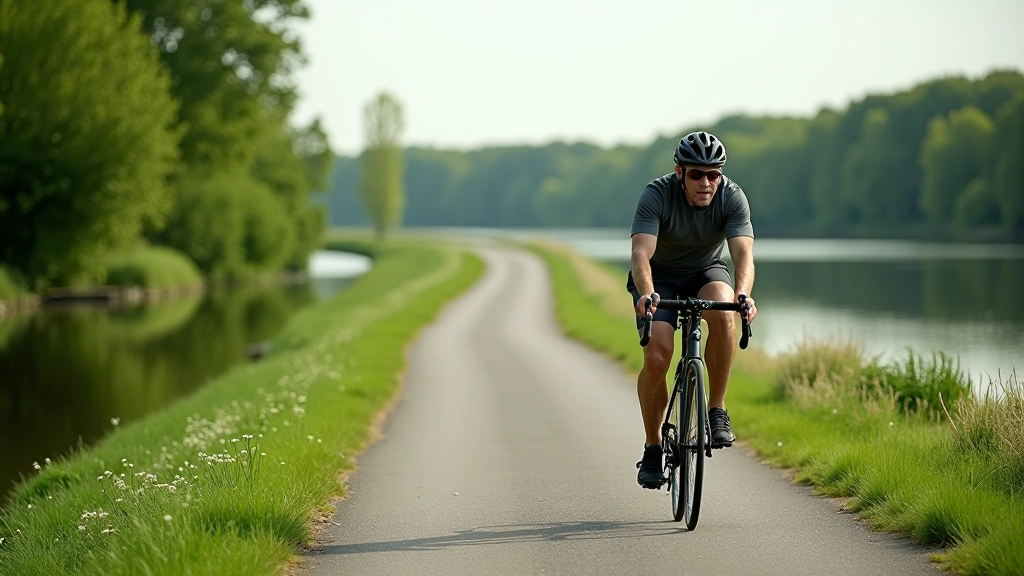
Read GuideFollow the river's edge with views of forested banks and wildlife. Mostly shaded path, ideal for hot summer days.
This route isn't your typical cycling path. It's a genuine escape into nature that happens to be perfectly rideable. The Daugava's left bank offers something most urban cyclists never get—dense forest cover that keeps you cool even on Riga's warmest days. You're riding alongside one of Latvia's most important rivers, and the scenery changes constantly as you move through different sections.
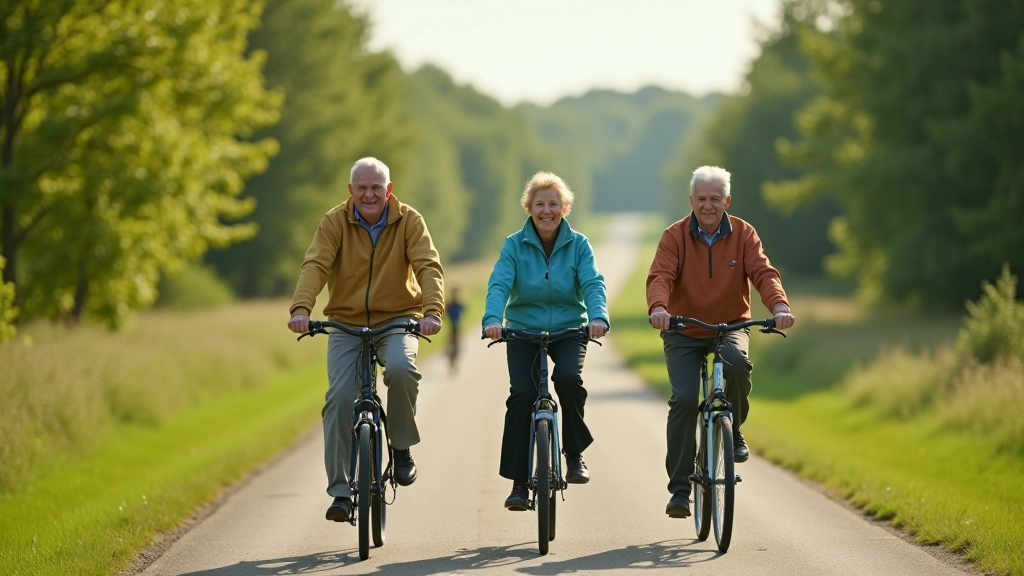
The route works exceptionally well for older riders and anyone who prefers a relaxed pace. There's no need to rush. Many cyclists stop multiple times to take photos, watch birds, or simply sit and listen to the water. The paving is smooth and well-maintained, with gentle curves that keep things interesting without demanding technical skills.
The complete left bank circuit spans approximately 28 kilometers, though you're not forced to do it all at once. Most people break it into 2-3 sessions, covering 10-12 kilometers per ride. The terrain is genuinely flat—we're talking about a hydroelectric dam area, so elevation changes are measured in meters, not dozens of meters.
Start early if you can. Morning rides mean cooler temperatures and the best wildlife viewing. You'll encounter waterfowl, occasional deer sightings, and an incredible variety of birds, especially during spring and autumn migrations. The path is wide enough for casual socializing—many regulars ride in pairs or small groups and actually enjoy conversation while pedaling.
Rest areas appear roughly every 3-4 kilometers. You'll find benches, some with shelter, where you can take breaks. Bring water—there's no reliable way to refill along the route itself. A basic repair kit is sensible (the path is paved, but punctures happen), though you're never more than 15 minutes from help.
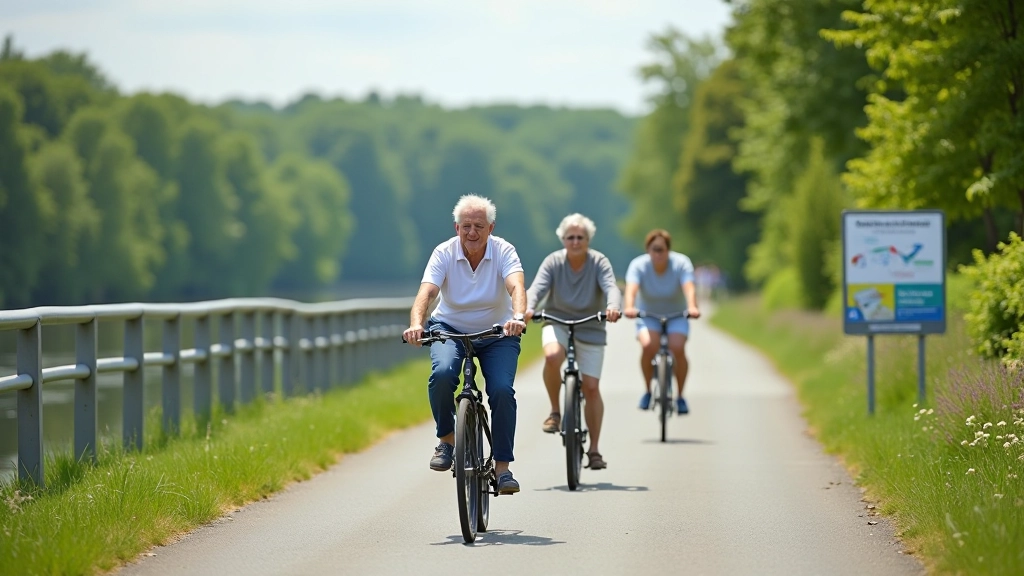
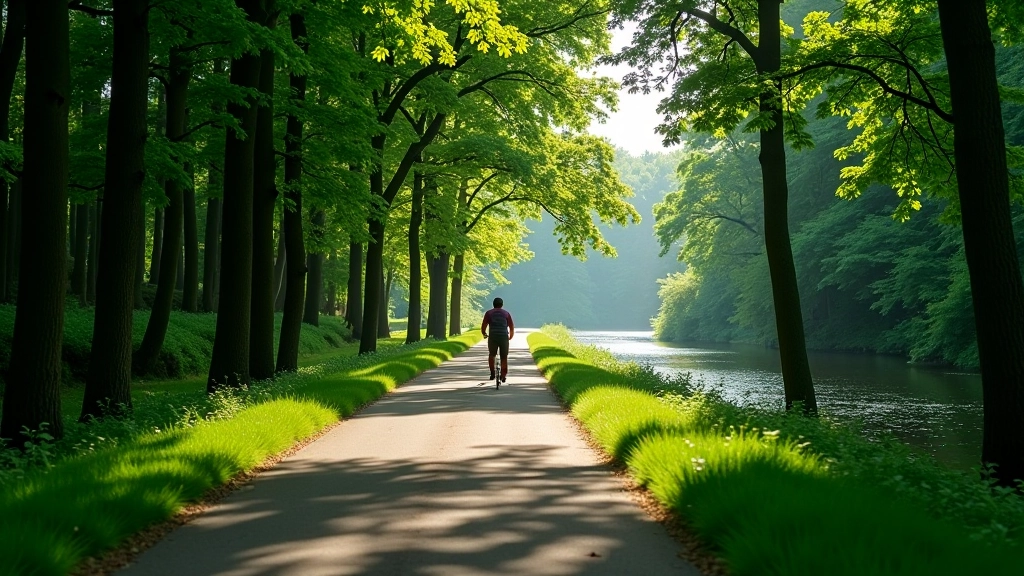
One of the route's biggest advantages is the natural shade. Unlike many other cycling paths that run through open areas, the left bank is heavily forested. This means you're cycling under tree cover for roughly 70% of the route. On a 28-degree day, you're getting natural cooling that reduces the perceived temperature by 5-8 degrees. It's not just more comfortable—it's healthier, especially for older riders who can overheat more easily.
The forest also creates a rhythm to your ride. You move between shaded sections and open viewpoints, giving your eyes and mind constant stimulation without fatigue. The light filtering through the leaves creates an almost meditative atmosphere that many cyclists describe as their favorite part of the route.
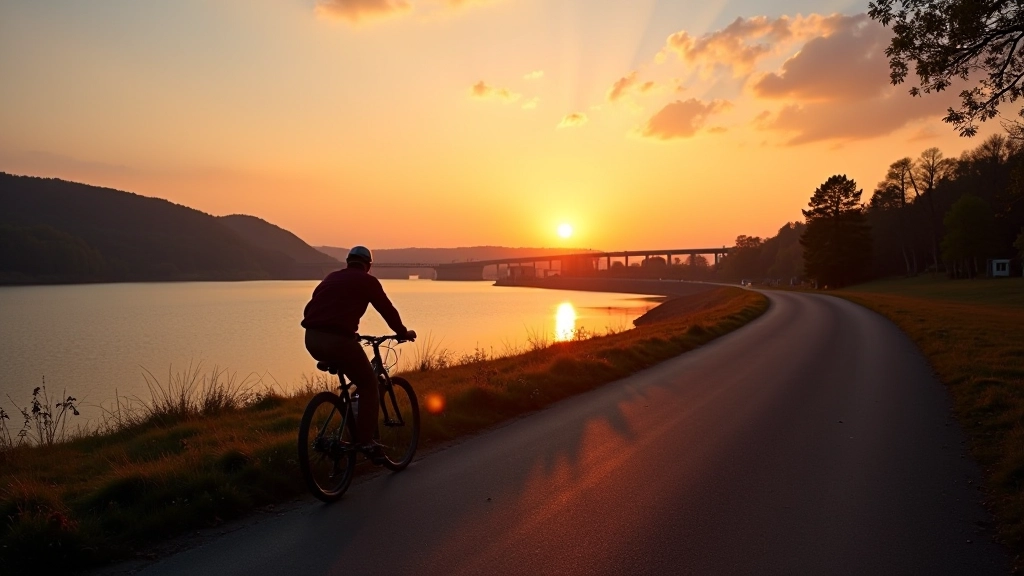
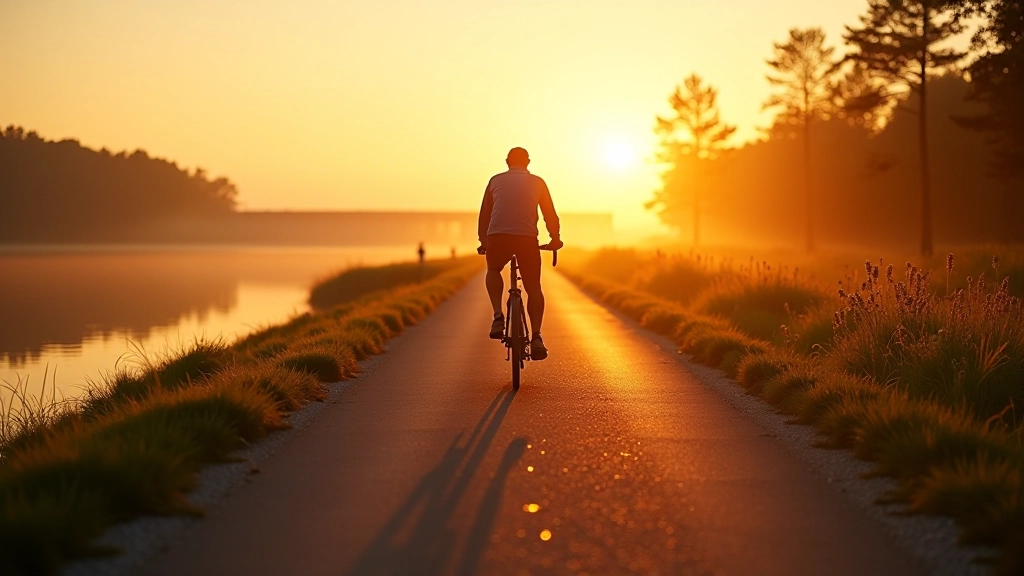
Morning rides (6-9 AM) offer the coolest temperatures and most active wildlife. Sunset rides (7-9 PM) work great in summer when you've got daylight until late. Avoid midday rides if you're not used to cycling in heat—you'll enjoy it more in the morning.
This isn't a speed route. You're not competing with anyone. Riding at 12-15 km/h lets you appreciate the surroundings and chat with companions. It's also way easier on joints and muscles than trying to hammer out a fast pace.
A quick pre-ride check takes 5 minutes. Tires properly inflated? Brakes working? Chain clean? Doing this at home beats getting stuck on the path. Most issues you'll encounter are preventable with basic maintenance.
Drink before you feel thirsty. Sip regularly rather than gulping large amounts at once. Even in shaded areas, you're losing water through perspiration. A hydration pack or water bottles you can access without stopping work better than a single large bottle.
You'll see birds and occasional deer. Don't approach them. Give animals space and they'll give you the best viewing experience. Use binoculars if you want closer looks. Photography is wonderful—just keep your distance and your voice down.
Check the forecast before you go. Wind can pick up along the river corridor. Rain on this path is manageable, but if you're not comfortable, it's fine to skip a day. The route isn't going anywhere—there's always next weekend.
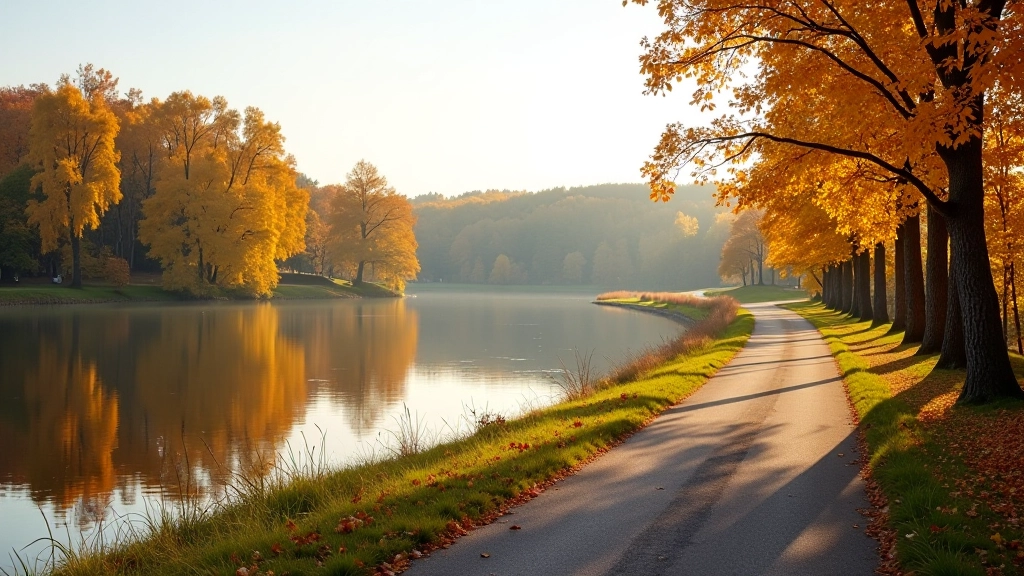
Spring brings migrating birds and wildflowers along the banks. It's cooler, so you can ride longer without overheating. The downside? Some sections get muddy in May if there's been heavy rain. Summer offers the most comfortable temperatures under the shade, though you'll see more recreational cyclists. Autumn is arguably the best season—comfortable riding temperatures, fewer crowds, and incredible fall foliage. Winter is technically possible on this route, but most casual riders skip it.
Each season changes the route's character. Spring feels alive and energetic. Summer feels lazy and recreational. Autumn feels contemplative. Winter feels harsh. You're not locked into one season—try riding different times of year and you'll discover what works best for your mood and physical comfort.
The Daugava Left Bank route succeeds because it doesn't demand anything from you. You're not racing. You're not training for a century ride. You're just riding alongside one of Latvia's most beautiful rivers, under natural shade, with time to think and enjoy the scenery.
Whether you're 65 or 45, whether you've been cycling your whole life or just picked it up recently, this route meets you where you are. That's why it's become a favorite for Riga's older cycling community. Come for the scenic views. Stay because the pace lets you actually enjoy them.
The next time you're thinking about a cycling outing, consider heading to the left bank. Bring water, bring a friend if you'd like, and bring patience to actually notice what's around you. The river will be waiting.
This article provides general information about the Daugava Left Bank cycling route for educational purposes. Conditions on cycling paths can change due to weather, maintenance, or seasonal factors. Always wear a helmet, follow local traffic rules, and ride at your own pace and comfort level. If you have health concerns or physical limitations, consult with a healthcare provider before undertaking any cycling activity. The route described here reflects conditions as of June 2026 and may change. Check with local authorities for current path status before planning your ride.