
What Makes This Loop Special
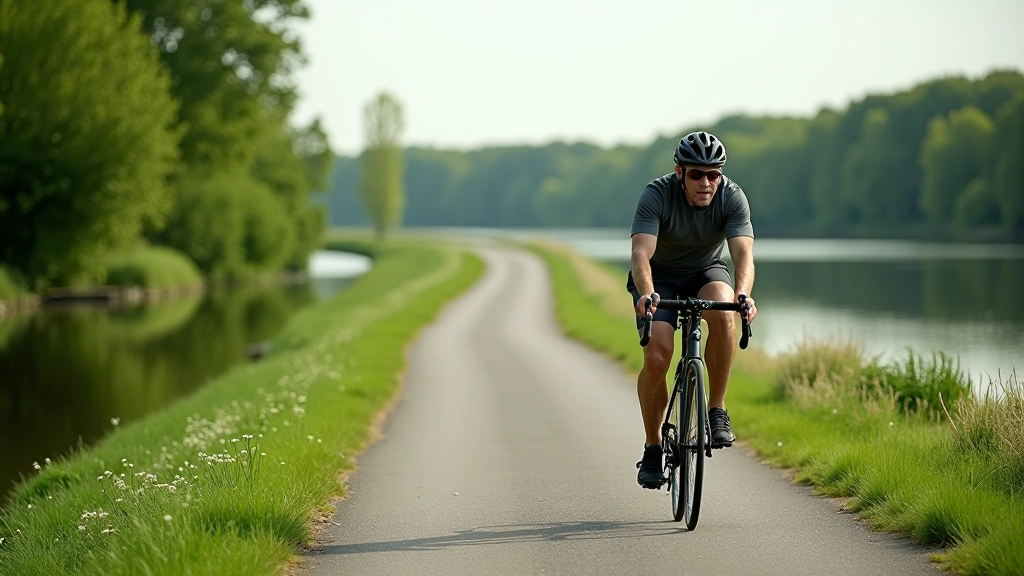
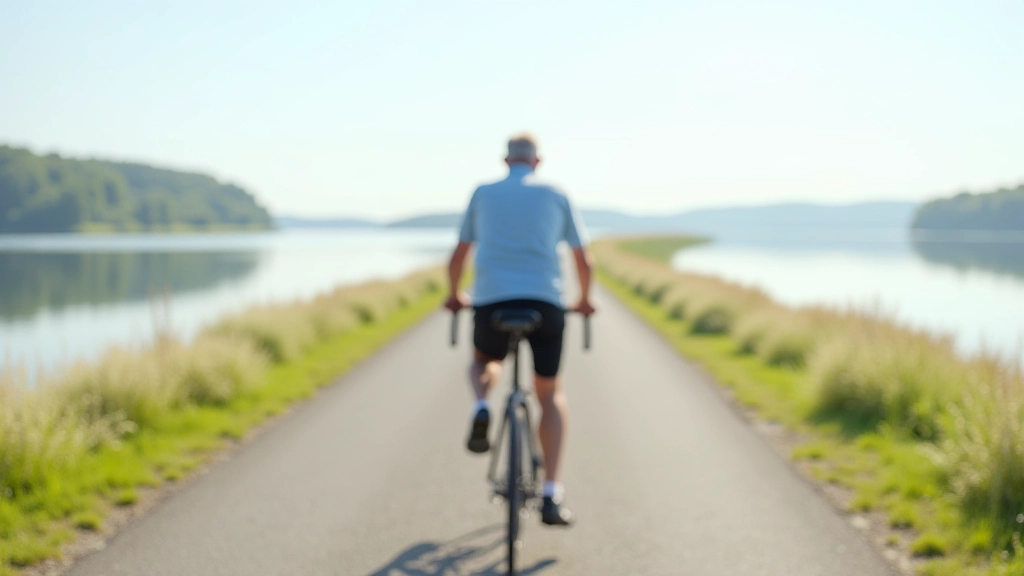
The Dam Loop isn't your typical cycling route. It's 28 kilometers around the reservoir, and you'll find almost no steep climbs. The path stays consistently flat, which means you're not fighting gravity on the way back. That's the real appeal for riders who want distance without drama.
You'll start near the dam's spillway area and follow the waterline for most of the journey. The paved surface is well-maintained — smooth enough that you won't worry about your bike, but with enough grip to feel secure on corners. Most cyclists finish the full loop in 90 to 110 minutes, depending on pace and photo stops.
The real benefit? Consistency. You're not constantly shifting gears or bracing for the next hill. Your legs settle into a rhythm. We've seen riders who couldn't handle short, hilly routes suddenly feel confident on the Dam Loop because the terrain lets them focus on pedaling smoothly rather than managing elevation.
Route Layout and Key Landmarks
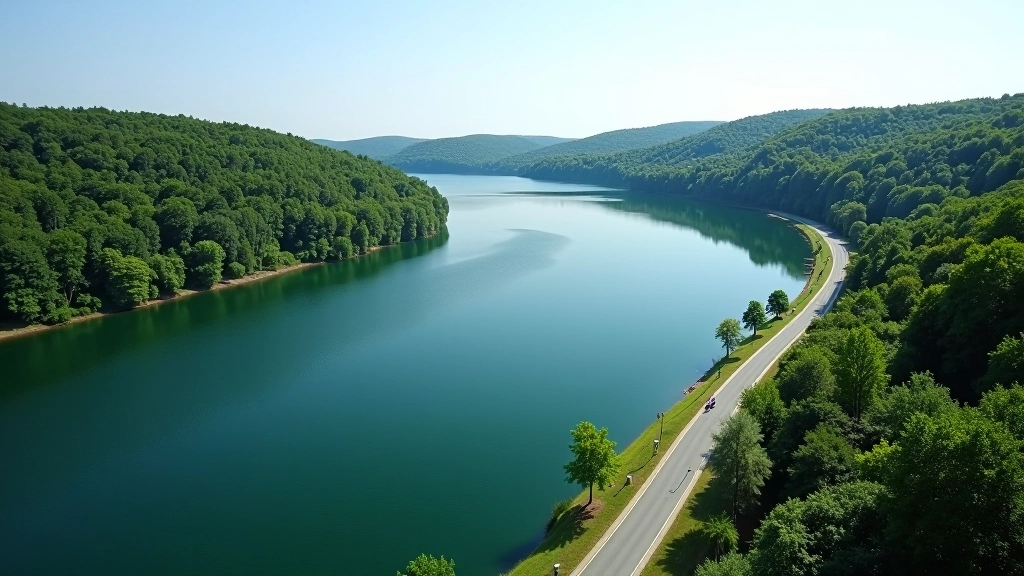
The loop divides roughly into four segments. The northern stretch takes you through forest sections with occasional water views. It's shaded and cooler, especially valuable on warm days. The eastern side opens up more — fewer trees, better views of the water, and you'll see the dam structure itself as you approach.
The southern portion is more exposed. You're cycling along a wider, more open corridor. Wind can pick up here, but visibility's excellent and the landscape changes enough to keep things interesting. The western section loops back through mixed terrain — some forest, some open areas, and a gradual return toward the start.
You'll pass three designated rest areas with benches. Two have water fountains. The main parking area at the southern entrance has restrooms and a small café. Most riders stop once or twice, usually at the eastern viewpoint where you can actually see across the entire reservoir.
Important Information
This article is informational guidance for cycling route planning. Always check current local conditions, weather forecasts, and any temporary closures before heading out. Bring appropriate safety equipment including a helmet. Weather can change quickly — the reservoir area experiences wind gusts, especially on exposed sections. If you're new to cycling or have health concerns, start with shorter distances and build up gradually. Stay hydrated and take breaks as needed.
Getting the Most from Your Ride
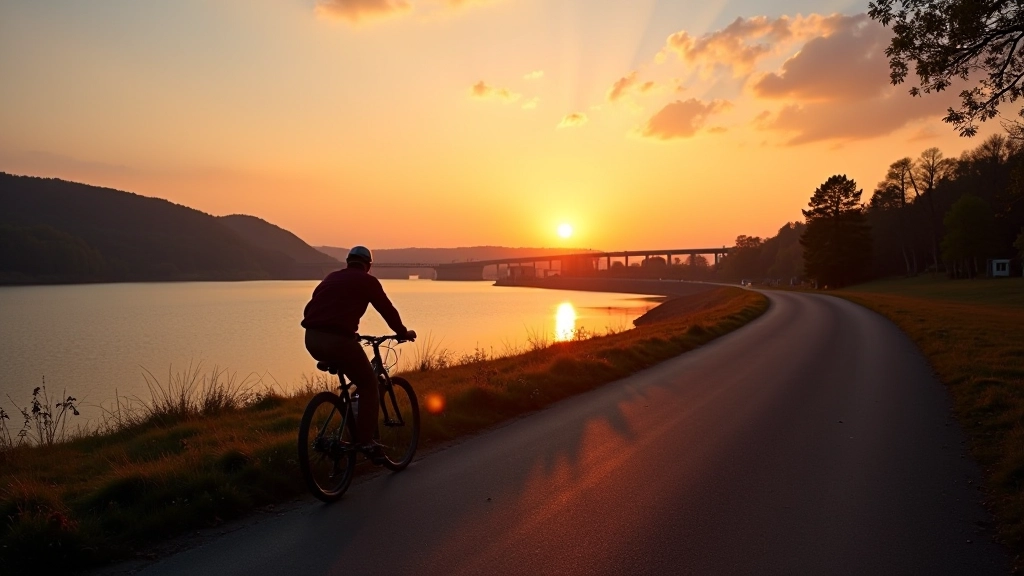
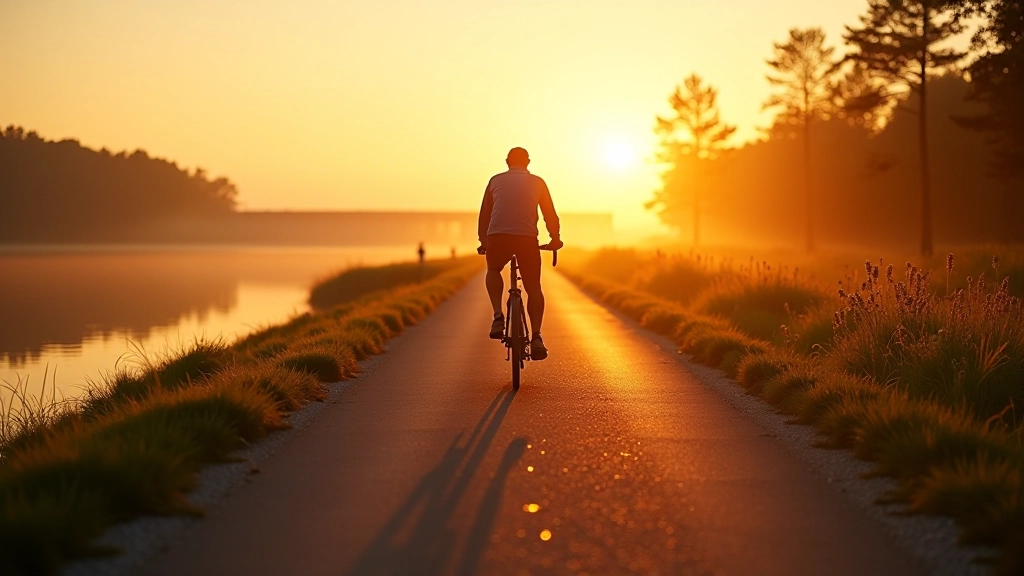
Timing matters on this route. Early morning rides — around 7 to 9 AM — give you quieter paths and cooler temperatures. The light's also excellent for photos. Evening rides work well from May through August when daylight extends past 9 PM. You'll get beautiful late-afternoon light reflecting off the water, though you'll share the path with more casual cyclists.
Bring layers even in summer. The path runs close to water, which keeps air cooler than inland routes. Morning rides can feel cold until you're moving. Sunscreen's essential — water reflects UV rays intensely. Wear something reflective or bright if you're riding near dusk. The path's well-lit in populated areas, but less so on the quieter forest sections.
Your bike doesn't need to be fancy. A hybrid or road bike handles the smooth surface perfectly. Mountain bikes work too, though they're overkill. Just make sure brakes are responsive and tires have decent tread. The path has occasional gravel sections, particularly after maintenance work.

Building Your Endurance on Flat Terrain
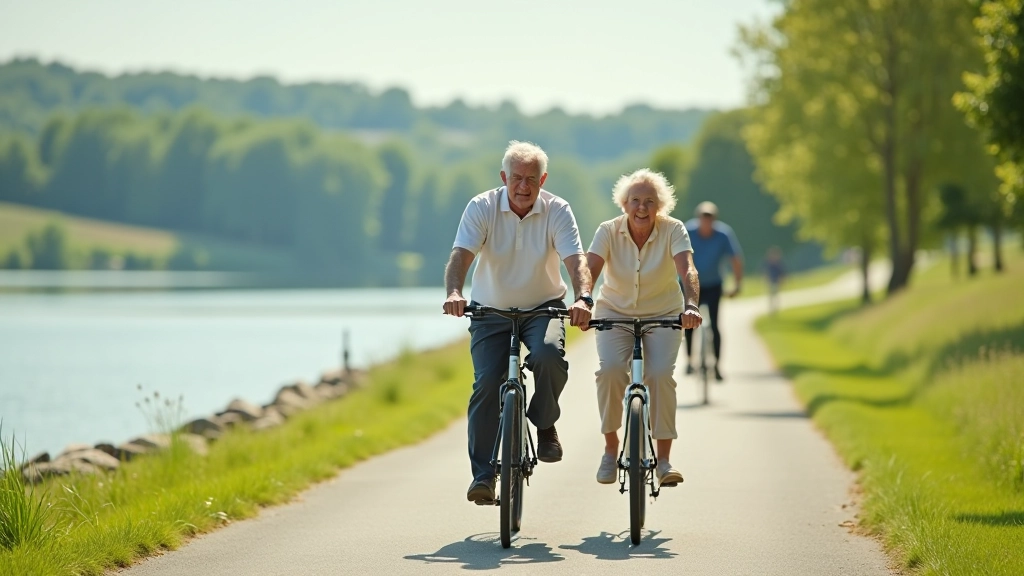
Flat doesn't mean easy. It means different. Without elevation changes forcing intensity spikes, you're managing cardiovascular effort differently. You can sustain a steady pace for longer, which builds aerobic capacity more efficiently than interval efforts on hills.
Start with half the loop if you're building up. That's about 14 kilometers — doable in 50 minutes at a comfortable pace. After a few rides, you'll notice your legs adapt. The same distance feels easier. Then you extend to three-quarters loop, then the full circuit. This gradual progression works better than jumping straight to 28 kilometers.
The flat terrain also lets you focus on technique. Pedal smoothness becomes noticeable. You'll develop a natural rhythm that transfers to any route. Many cyclists who feel intimidated by hills actually prefer the Dam Loop because they can concentrate on building strength without the fear factor.
Why This Loop Keeps Bringing People Back
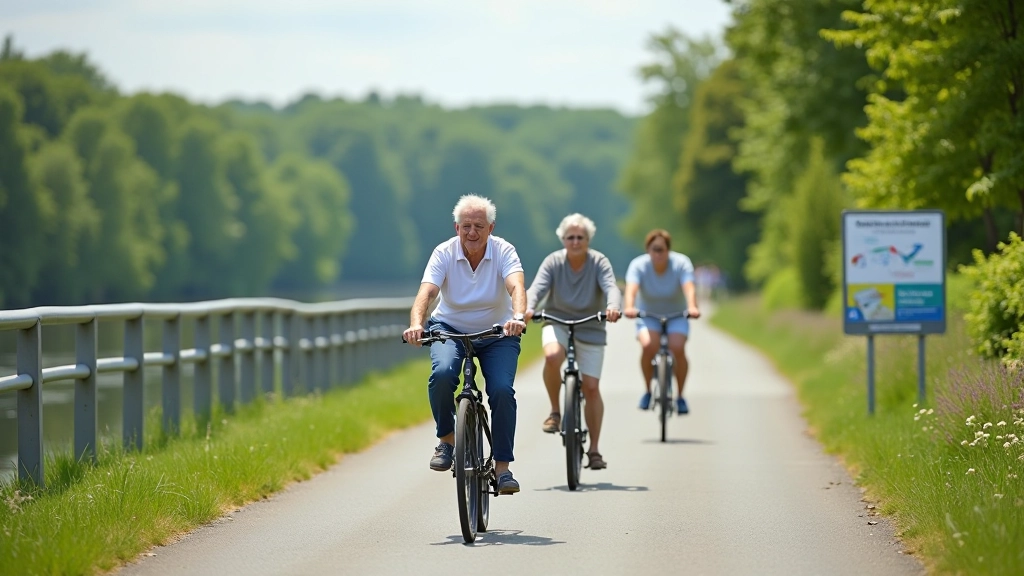
The Dam Loop works because it's honest about what it offers. No drama. No steep sections demanding respect. Just a consistent, beautiful 28-kilometer ride around water that feels peaceful and achievable. You'll see the same path regulars — the morning group who starts at 7 AM, the family cycling Sunday afternoons, the riders who've made this their weekly routine.
It's the kind of route that grows on you. First time through, you're focused on completing the distance. Second or third time, you start noticing details — the way light hits the water differently depending on angle, favorite spots to stop and rest, which sections feel easiest and which require a bit more effort. It becomes less about conquering a route and more about enjoying consistent cycling you can do regularly.
If you're looking to build cycling into your routine, this loop's a smart choice. You're not struggling against terrain. You're moving through a landscape that encourages steady effort and rewards consistency. That's what keeps riders coming back.